
We Will be celebrating 25 years in business July 2026

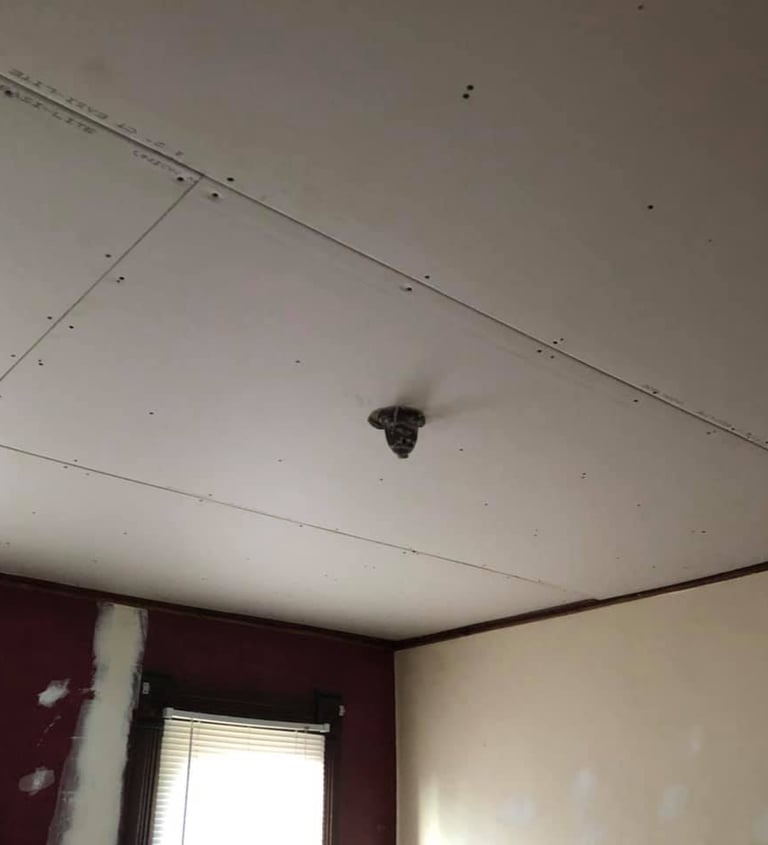
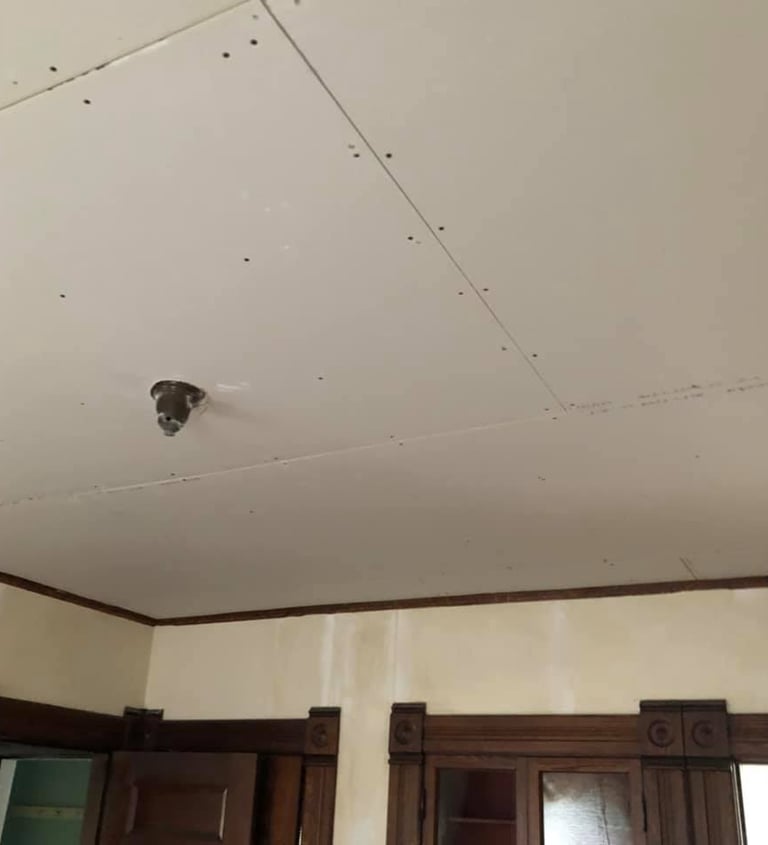
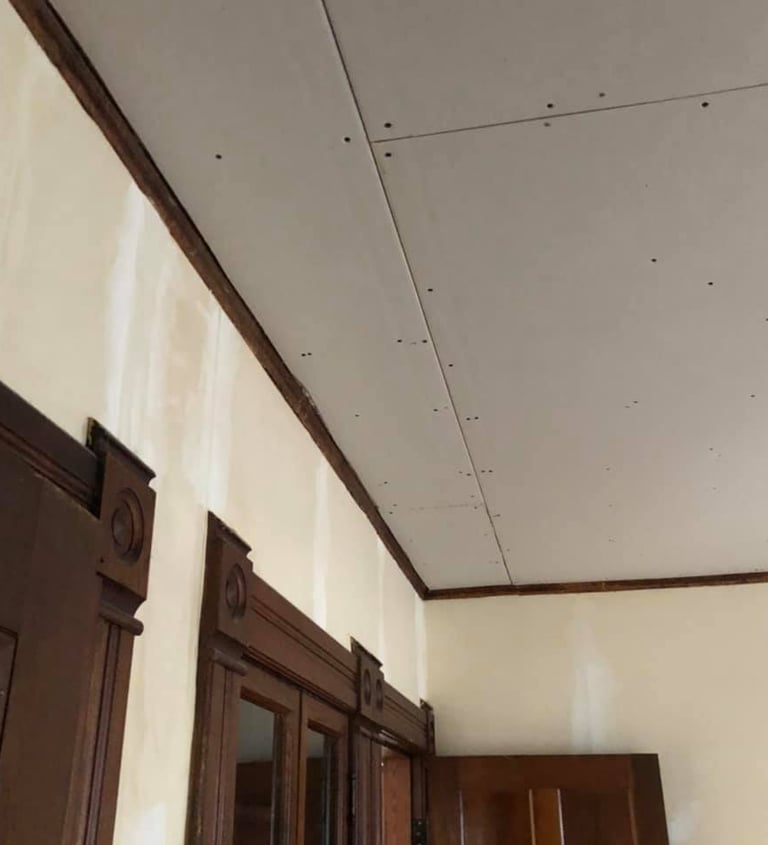
new drywall hung on ceiling of home with wood trim

Types and Sizes of Drywall

Drywall Comes in a Various Types and Sizes

Standard drywall

  • Most common.

  • Use on interior walls and ceilings in dry rooms.

  • Usually 1/2 inch thick for walls.

Lightweight drywall

  • Same general use as standard.

  • Easier to lift and hang.

  • Good for large jobs and ceilings where weight matters.

Moisture-resistant drywall (often called “green board”)

  • Better in humid areas.

  • Use for bathroom walls outside the shower area, laundry rooms, and some basements.

  • Not a waterproof product.

Mold-resistant drywall (often “purple” board, varies by brand)

  • Adds mold resistance compared to standard.

  • Useful in bathrooms, basements, and rentals where humidity is common.

Paperless drywall (fiberglass-faced)

  • No paper face.

  • Helps reduce mold risk.

  • Often used in damp-prone areas, basements, and commercial work.

Cement board

  • Not drywall, but used with drywall systems.

  • Use in showers and wet tile areas.

  • Handles water far better than gypsum boards.

Glass-mat gypsum / tile backer panels

  • Made for wet-area tile systems.

  • Common behind tile when a gypsum-based backer is allowed by the system.

Fire-rated drywall (Type X, Type C)

  • Built for fire-resistance assemblies.

  • Common in garages, multi-family walls/ceilings, and mechanical rooms.

  • Thickness often 5/8 inch.

Sound-rated and impact-resistant boards

  • Sound boards and specialty panels reduce noise transfer when paired with the right assembly.

  • Abuse-resistant and impact-resistant boards hold up better in hallways, rentals, and commercial spaces.

Shaftliner and specialty core boards

  • Used for elevator shafts and vertical chases.

  • Not typical for standard home remodel work.

Drywall Sizes

Common drywall thicknesses

  • 1/4 inch: Curves, wrapping surfaces, or covering an existing wall to smooth it out.

  • 3/8 inch: Light-duty, sometimes used for repairs or specific layering needs.

  • 1/2 inch: Standard for most interior walls.

  • 5/8 inch: Standard for many ceilings and fire-rated assemblies.

Common drywall sheet widths

  • 4 feet wide (48 inches): Standard.

  • 54 inches (4.5 feet): Used to reduce butt joints on tall walls and some ceilings.

Common drywall sheet lengths

  • 8 feet

  • 9 feet

  • 10 feet

  • 12 feet

  • 14 feet (less common)

  • 16 feet (less common)

Longer sheets reduce butt joints but they are harder to handle and easier to damage during carrying.

Quick choosing tips

For walls

  • Most homes: 1/2 inch standard or lightweight

  • High-traffic rentals: consider impact-resistant

  • Basements and humid areas: mold-resistant or paperless, based on the moisture risk

For ceilings

  • Many ceilings: 5/8 inch helps reduce sag and feels stiffer

  • Short spans can use 1/2 inch, but 5/8 inch often finishes flatter

For bathrooms

  • Outside shower: mold-resistant can make sense

  • Inside shower: cement board or approved tile backer system, not standard drywall

If you tell me what room you’re working on (bath, basement, garage, ceiling height, framing spacing), I’ll recommend the best drywall type and size for that exact situation.