Learn how to compare interior painter services, understand the painting process, and hire a professional for a smooth, well-planned home update.
Choosing the right interior painter can make the difference between a room that simply looks refreshed and one that feels thoughtfully finished. The best professional brings more than a steady hand: they help you assess surfaces, select suitable paints and sheens, protect your home, and deliver clean, lasting results.
Before you compare estimates, understand what interior painting services should include, how to evaluate a contractor’s experience, and when hiring a pro is well worth the investment. A little careful vetting helps ensure your home, and your budget, are in capable hands.
Choose an interior painting professional based on credentials, insurance, clear communication, detailed estimates, and proven workmanship, not price alone. A quality contractor protects your home, handles repairs and priming, specifies products and preparation, and provides accountable project management. For pre-1978 homes, confirm lead-safe practices and EPA RRP certification where required. A thorough written scope helps ensure a durable, polished finish without surprises.
The right interior painter brings more than a steady hand: they provide clear communication, careful preparation, and accountable project management. Compare painting contractor candidates on their documentation, process, and reputation, not simply the lowest quote. Established house painters should be able to explain how they will protect your interior, prepare surfaces, schedule the work, and resolve concerns before a brush ever reaches the wall.
Start by confirming that the company meets applicable local licensing requirements and carries current general liability and workers’ compensation insurance. Ask for certificates directly, rather than relying on a verbal assurance. This protects both the homeowner and the crew if damage or an on-site injury occurs during house painting.
Then look beyond star ratings. Read reviews for recurring details about punctuality, cleanliness, workmanship, communication, and how the company handled an unexpected issue. A few imperfect reviews are not necessarily a concern; a pattern of missed appointments, vague invoices, or unfinished corrections is. Check whether the business responds professionally and takes responsible ownership when a customer raises a problem.
Request two or three recent references for projects similar in scale and finish level to yours. Ask whether the crew protected furnishings, stayed on schedule, and returned for touch-ups if needed. A reputable contractor will also provide a written scope covering prep, repairs, paint products, number of coats, exclusions, and payment terms. Make sure you have a working phone number, a physical business presence, and one clear point of contact throughout the job.
If your home was built before 1978, treat painted surfaces as potentially containing lead unless testing shows otherwise. Sanding, scraping, cutting, or repairing an older wall can create hazardous dust, particularly for children, pregnant people, and pets. Federal EPA Renovation, Repair and Painting rules may apply when work disturbs more than a small amount of painted surface in pre-1978 housing or child-occupied facilities.
Ask the contractor whether the crew is EPA RRP-certified and what lead-safe practices they will use. Appropriate measures generally include isolating the work area with plastic containment, protecting floors and nearby belongings, minimizing dust-generating methods, using HEPA-equipped vacuums, and completing a careful cleanup. The contractor should provide required lead-safety information before work begins and explain how occupants can safely use the house during the project.
Not every paint job requires extensive disturbance. Painting an intact wall may involve less risk than patching damaged plaster, removing old trim, or extensive sanding. Still, the scope should identify any surface preparation that could affect older coatings. For added certainty, arrange lead-paint testing before finalizing repairs, especially in rooms used by young children. Lead-safe planning is a practical part of protecting both your home and everyone in it.
Professional interior painting is more than a fresh coat of color. MrWalls Drywall & Painting approaches every interior house project as a coordinated finish system, protecting the home interior while preparing surfaces for lasting results. Our services interior work includes detailed assessment, repairs, priming, precise painting interior spaces, and a careful final walkthrough.
The quality of a painted room is decided before the first brush reaches the wall. Our team begins by inspecting drywall, trim, ceilings, and previously painted surfaces under practical lighting, identifying nail pops, settling cracks, dents, peeling paint, stains, and uneven texture. Floors, furnishings, fixtures, and adjacent finishes are protected before preparation begins, keeping the work area orderly and the rest of your home respected.
Priming is selected to suit the surface rather than being treated as an afterthought. It helps seal new drywall compound, improve adhesion over glossy or repaired areas, and block certain stains from telegraphing through the final paint. With preparation complete, color applies more evenly, sheen looks more consistent, and the finished painting has the polished, durable character expected in a well-cared-for home.
Professional painting is worth the cost when the result needs to do more than simply change a color. In homes throughout the area, the difference often shows in the details: crisp lines at a window, a smooth finish across a high-traffic room, or a front door that looks properly renewed rather than quickly covered. Those details depend on preparation, product selection, and experienced application, work that is difficult to judge until it has been skipped.
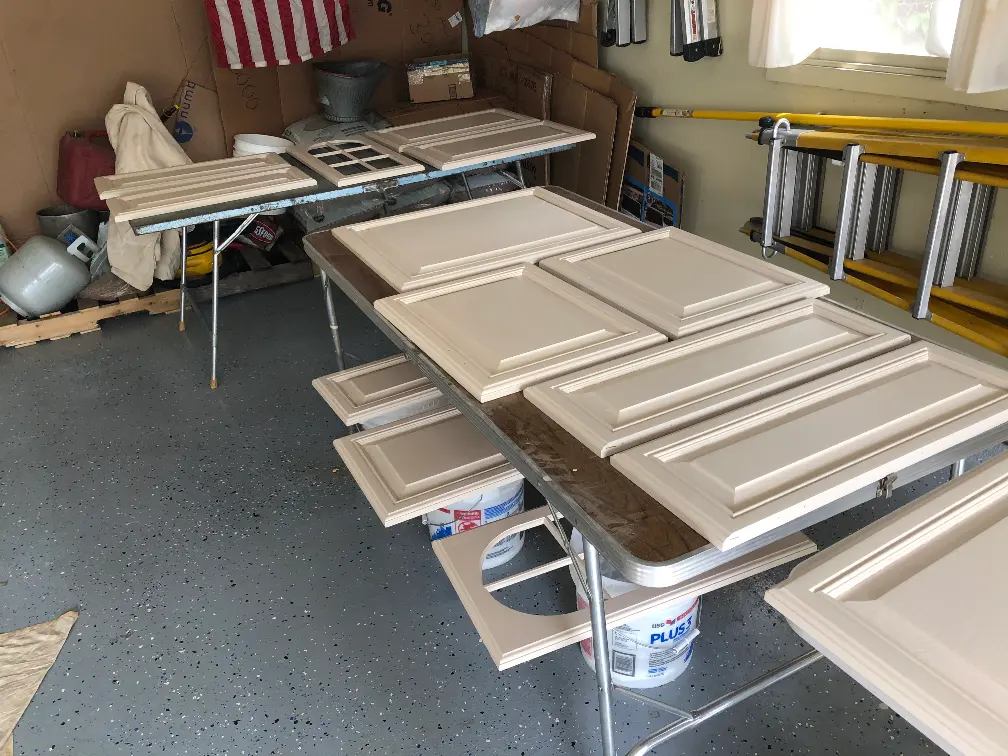
For surfaces with repairs, staining, peeling finishes, or uneven texture, hiring a qualified crew can prevent small issues from becoming expensive rework. MrWalls Drywall & Painting begins with the substrate, addressing drywall flaws and surface conditions before paint goes on. That process is especially valuable for a kitchen cabinet repaint, where inadequate cleaning or the wrong coating can lead to chipping, and for exterior trim exposed to changing weather.
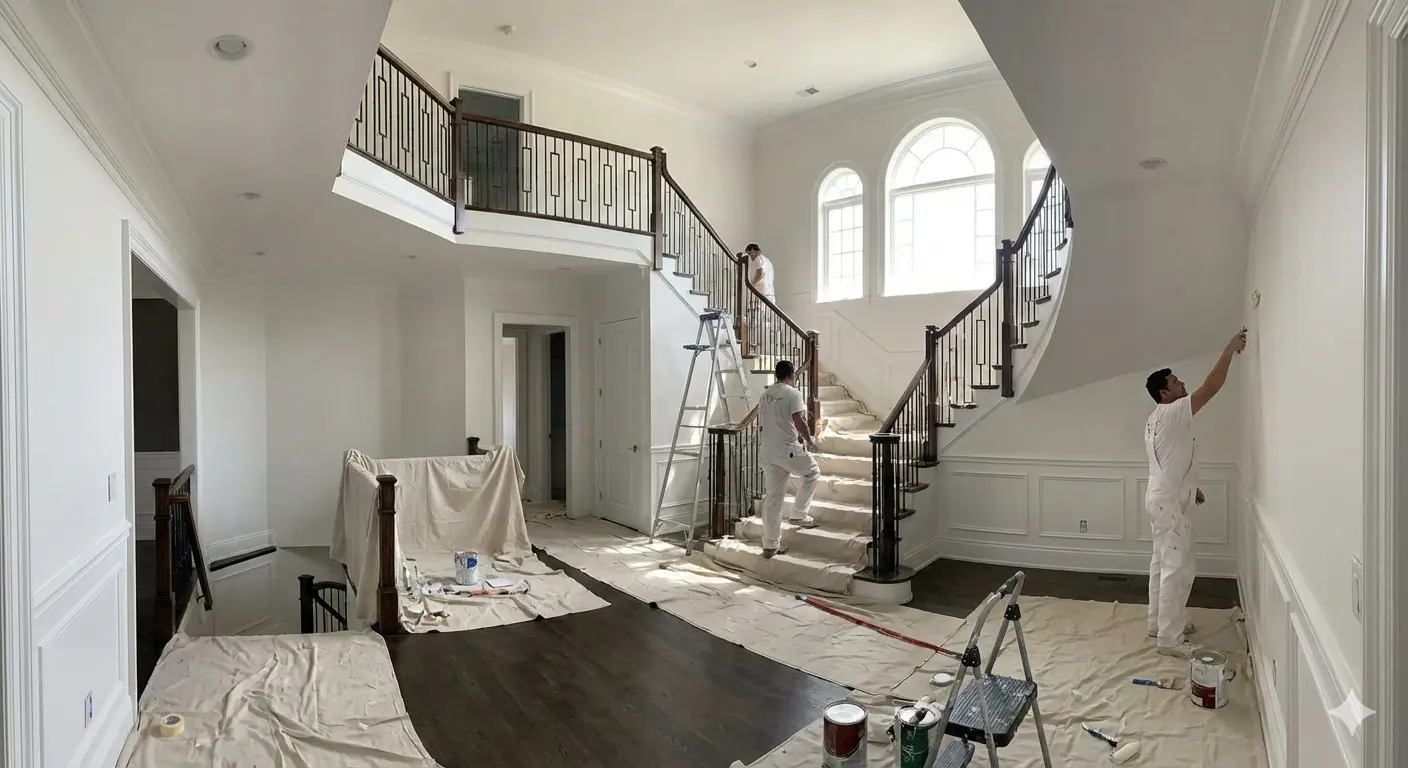
Professional painting costs also make more sense when timing, access, or precision matters. Tall stairwells, occupied spaces, detailed millwork, and multi-room projects require efficient sequencing and careful protection of floors, furnishings, and adjacent finishes. A professional team brings the tools and systems to keep disruption contained while maintaining a consistent finish from one room to the next.
It is not always necessary to outsource a small, low-risk touch-up. But for work that affects curb appeal, resale presentation, durable everyday surfaces, or the character of a well-kept home, quality is a practical investment. The initial cost may be higher than a do-it-yourself approach, yet sound preparation and workmanship can reduce future maintenance costs and deliver a finish that continues to look intentional long after the paint has dried.
A reliable estimate does more than attach a price to a room. It explains the work required to achieve a durable, refined finish, from preparation and paint selection to labor and protection of surrounding surfaces. At MrWalls Drywall & Painting, painting costs are assessed by the scope of each space, not simply its square footage, so the cost reflects real conditions and clear expectations.
A detailed interior painting quote should clearly identify the rooms and surfaces included, such as walls, ceilings, trim, doors, closets, or built-ins. It should also note the number of coats, the paint product or finish level, and whether color changes, deep hues, or specialty finishes require additional preparation. This gives a homeowner a meaningful basis for comparing proposals rather than comparing a single bottom-line number.
Preparation deserves equal attention. A professional painting contractor should outline what cleaning, sanding, caulking, patching, and drywall repair are included before paint is applied. Minor nail holes and ordinary touch-ups may be part of the stated scope, while water damage, loose tape, significant cracks, or texture matching may require a separate allowance. The quote should make that distinction plain.
Look as well for practical details: protection for flooring and furnishings, masking procedures, daily cleanup, estimated scheduling, and final walkthrough expectations. For a single room or an entire house, a thorough proposal confirms who supplies materials, how change requests are handled, and what workmanship standard the contractor stands behind. That clarity helps prevent surprises and supports a finish that feels considered long after the crew leaves.
| Quote detail to check | What should be clearly stated | Why it matters |
|---|---|---|
| Scope of work | Rooms and surfaces included, such as walls, ceilings, trim, doors, closets, and built-ins | Lets homeowners compare what each proposal actually covers rather than only the total price |
| Coats and paint finish | Number of coats, paint product or finish level, and any added preparation for color changes, deep hues, or specialty finishes | Clarifies the expected appearance and labor involved |
| Preparation | Included cleaning, sanding, caulking, patching, and drywall repair | Preparation affects how well the finished paint looks and lasts |
| Repairs and allowances | Whether minor nail holes and touch-ups are included, and whether water damage, loose tape, significant cracks, or texture matching require a separate allowance | Helps prevent unexpected repair costs |
| Protection and cleanup | Protection for flooring and furnishings, masking procedures, and daily cleanup expectations | Sets expectations for care of the home during the project |
| Materials | Who supplies the painting materials | Confirms responsibility for purchasing and providing needed products |
| Scheduling | Estimated project scheduling | Helps the homeowner plan around the work |
| Change requests | How changes to the original scope will be handled | Provides a clear process if work needs to be added or revised |
| Final walkthrough and workmanship | Final walkthrough expectations and the workmanship standard the contractor stands behind | Creates a shared understanding of completion and finish quality |
Exceptional interior painting is less about applying color quickly than controlling every detail that affects the finished surface. At MrWalls Drywall & Painting, our interior painters follow a disciplined process designed to protect your home, prepare each wall correctly, and deliver a refined result that holds up to daily life.
The work begins with a clear walkthrough. We assess drywall condition, existing coatings, trim, ceilings, access, and the way light moves through each room. This allows our painters to identify repairs, sheen considerations, and practical sequencing before painting begins. Just as importantly, it gives you a straightforward understanding of the scope and finish you can expect.
Preparation is where a professional result is won or lost. Floors, furnishings, fixtures, and adjacent surfaces are carefully covered; hardware and outlet plates are addressed as needed. Walls are cleaned where necessary, then patched, skimmed, sanded, caulked, and primed to create an even foundation. A smooth wall helps paint lay down consistently, especially in rooms with strong natural light or darker, more revealing colors.
Once the surface is ready, we apply quality coatings with the right tools and technique for the area. Clean cut lines, uniform coverage, and appropriate drying time between coats all matter. Our team maintains an orderly work area throughout, checking surfaces as the project progresses rather than leaving inspection until the end.
Before we consider the job complete, we conduct a final walkthrough with you, review the painted areas in normal room lighting, complete touch-ups, and remove protective materials. The goal is simple: a home that feels renewed, with finishes that look intentional from every angle.
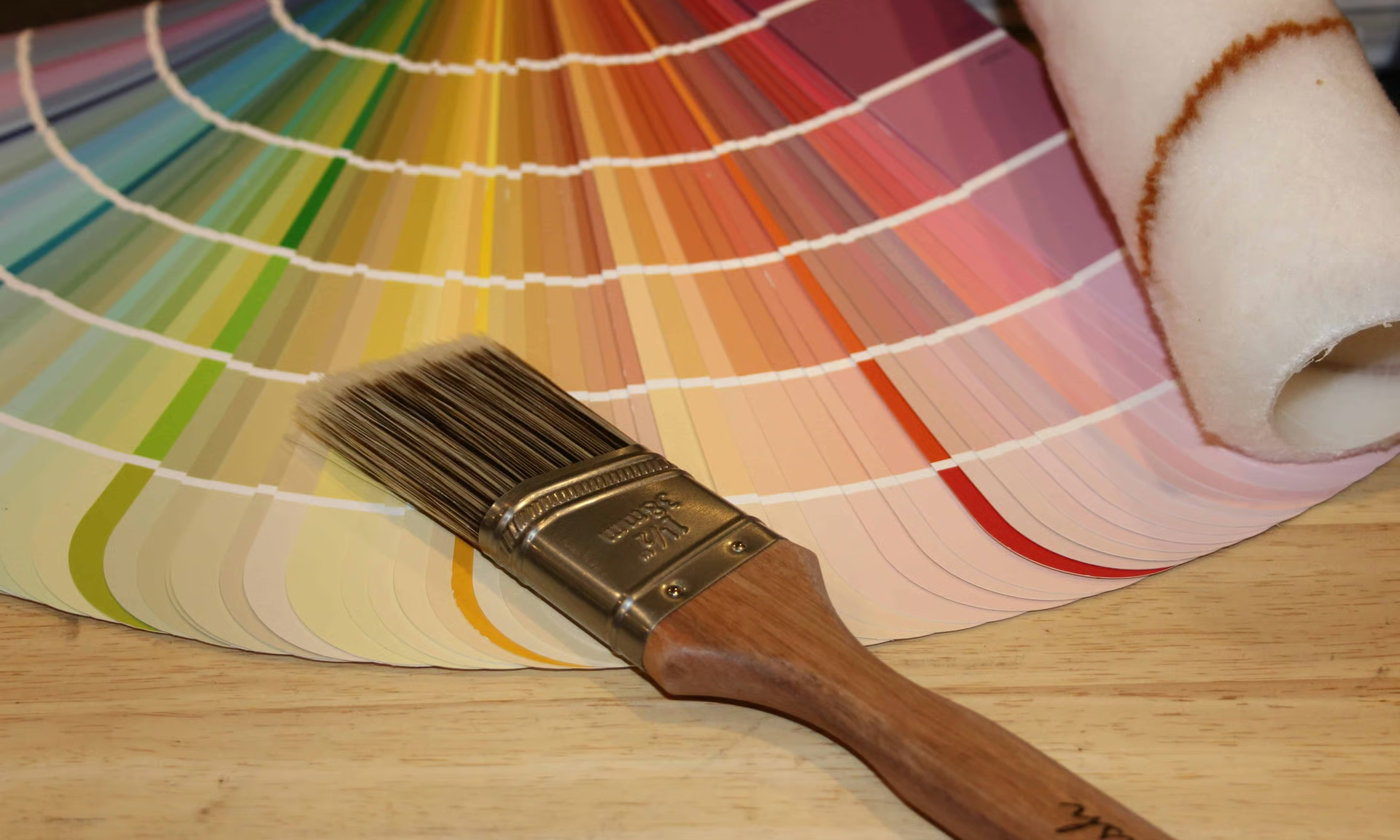
The right interior paint does more than refresh a wall, it shapes how a room feels throughout the day, responds to natural and artificial light, and stands up to the way your household uses the space. At MrWalls Drywall & Painting, we help homeowners narrow the choices by looking first at the room itself: its size, orientation, existing finishes, traffic level, and the atmosphere you want to create.
Color should be considered in the actual interior, not only on a small swatch under store lighting. A soft white may read warm in a north-facing bedroom and much brighter in a sun-filled kitchen. Deep greens, charcoal blues, and clay tones can give a dining room or study a tailored, enveloping character, while quieter neutrals often let architectural details, artwork, and furnishings take the lead. Before committing, test larger sample areas on more than one wall and view them in morning, afternoon, and evening light.
Preparation is what makes these selections look intentional. Smooth drywall repair, careful caulking, and the correct primer allow paint to lay evenly and reveal its true depth. With a considered palette and room-appropriate finishes, each space can feel connected to the next while still serving its own purpose beautifully.
A polished paint job begins well before the first brush touches the wall. A little preparation helps the painters work efficiently, protects the things you value, and gives the crew clear access to every surface that needs attention. At MrWalls Drywall & Painting, we recommend treating the appointment as a short reset for your home rather than a major disruption.
Start by moving small furniture, artwork, lamps, electronics, and décor out of the work area. Larger pieces can usually stay in the room if they are moved toward the center and away from the walls; your painting team can then cover them with clean protective sheeting. Clear shelves, countertops, and windowsills as well. This is especially important around a window or door, where trim, frames, and nearby hardware require precise cutting-in.
Please make sure the painters can reach the rooms included in the project. Open interior doors, remove fragile items from hallways and stair landings, and arrange for pets to stay comfortably out of the work zone. If exterior painting is planned, trim back shrubs that touch the house, unlock gates, and move vehicles, patio furniture, and grills away from the walls.
Before the crew arrives, note any cracks, stains, nail holes, watermarks, or areas of concern you would like reviewed. A quick walkthrough helps confirm the scope and finish details, including which surfaces are being painted and whether a particular door, window trim, or accent wall needs special attention. With the space cleared and expectations confirmed, the work can proceed neatly, and your home is set up for a smooth, professional result.
A well-planned interior painting project moves efficiently, but the right schedule is about more than how quickly a roller can cover a wall. At MrWalls Drywall & Painting, we plan each room around its condition, the scope of preparation, paint dry times and how the work fits into your household routine. A straightforward bedroom with sound walls may be completed in a day, while a larger living area, kitchen or whole-home refresh can require several days of coordinated prep, painting and finishing.
Preparation usually determines the timeline. Furniture needs to be protected or moved, surfaces cleaned, and nail holes, cracks or water-damaged areas addressed before primer and color go on. A minor drywall repair can often be handled within the painting schedule; more extensive patching needs additional drying and sanding time to create the seamless finish premium interiors demand. Trim, doors, high ceilings and detailed color changes also add time because they require careful cutting-in rather than rushed coverage.
Most modern interior paints are dry to the touch within a few hours, but that is not the same as fully cured. Recoat windows vary by product, temperature, humidity and ventilation, though a professional crew will follow the manufacturer’s guidance rather than push ahead prematurely. Good airflow helps, while cool, humid conditions can extend drying. We also schedule around practical access: allowing families to use essential rooms where possible, sequencing work to minimize disruption, and leaving adequate time before furniture is returned to freshly painted walls. The result is a cleaner process and a finish that has time to perform as intended.
Compare contractors by their written scope, preparation process, insurance, references, and communication, not price alone. Ask for current general liability and workers’ compensation certificates, recent references, and a clear description of surface repairs, paint products, coats, protection, cleanup, and payment terms.
A detailed painting estimate should list the rooms and surfaces being painted, including walls, ceilings, trim, doors, closets, or built-ins. It should identify preparation work, repairs, primer, paint type, number of coats, exclusions, material responsibility, schedule expectations, change-order procedures, and final walkthrough details.
Preparation affects adhesion, durability, and appearance. Professional painters inspect for cracks, nail pops, dents, stains, peeling paint, and uneven texture; then patch, sand, clean, caulk, and prime as needed. Proper preparation helps create smoother walls, more even color, consistent sheen, and longer-lasting results.
Many professional interior painters provide drywall repair as part of the project scope. Minor holes, dents, cracks, loose tape, texture issues, and stained areas may need different repair methods. Confirm what repairs are included in the quote and whether extensive damage or texture matching requires an additional allowance.
Older painted surfaces may contain lead. If the work involves sanding, scraping, cutting, or repairs that disturb existing paint, ask whether EPA Renovation, Repair and Painting requirements apply and whether the crew is EPA RRP-certified. Lead-safe practices can include containment, dust control, HEPA vacuuming, and careful cleanup.
Professional painting is often worthwhile for multi-room projects, repaired or damaged walls, detailed trim, high-traffic spaces, tall stairwells, and occupied homes. Experienced preparation, appropriate primers and coatings, careful protection, and efficient project coordination can reduce rework and help the finish remain attractive over time.